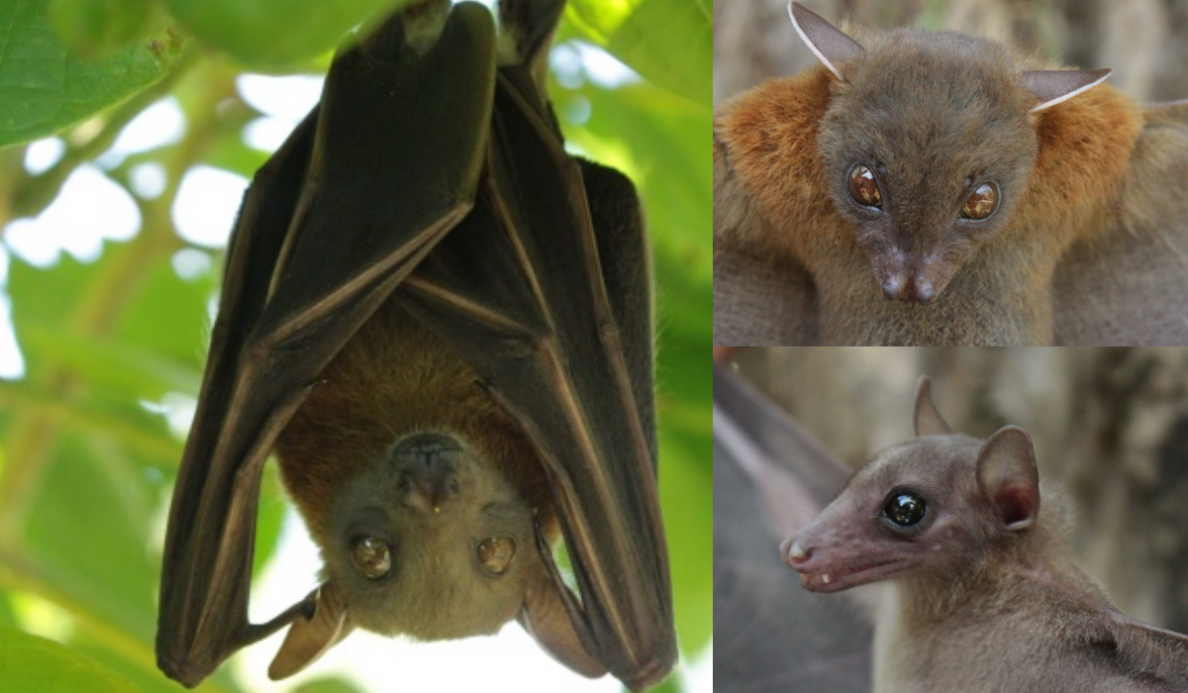
Gaining knowledge on disease epidemiology and bat ecology is critical to fully assess the challenges associated with human health and bat conservation.
The transmission of bat pathogens specifically rabies virus has been commonly associated through being bitten by the infected animal. However, is this the exception rather than the rule? An article by Joffin et. al explained that not only rabies but also Mycoplasma, by the common vampire bat (Desmodus rotundus) by their blood and saliva and can be transmitted between bats during aggressive behaviors. In this article, the authors enumerated recognized modes of transmission to humans as well.
Aside from bats, Joffin et. al listed some animals that are capable of transmitting bat-borne infectious agents and also transmission to humans. Indirect transmission of environmental transmission was also discussed and has been described as the major mechanism of epidemiology of wildlife diseases.
The benefits of bats in ecosystem functions (e.g., pollination, soil fertilization, and crops pest control) tend to be disregarded over the years despite increased communication and education on the risk associated with bat-borne pathogens. Thus, to fully assess the challenges associated with human health and bat conservation, gaining knowledge on disease epidemiology and bat ecology is critical.
To know more about these information, you may check the full article on this page: https://journals.plos.org/plospathogens/article?id=10.1371/journal.ppat.1007134.
 Bathogens: Zoonotic Bat Pathogens of Davao City